Agriculture
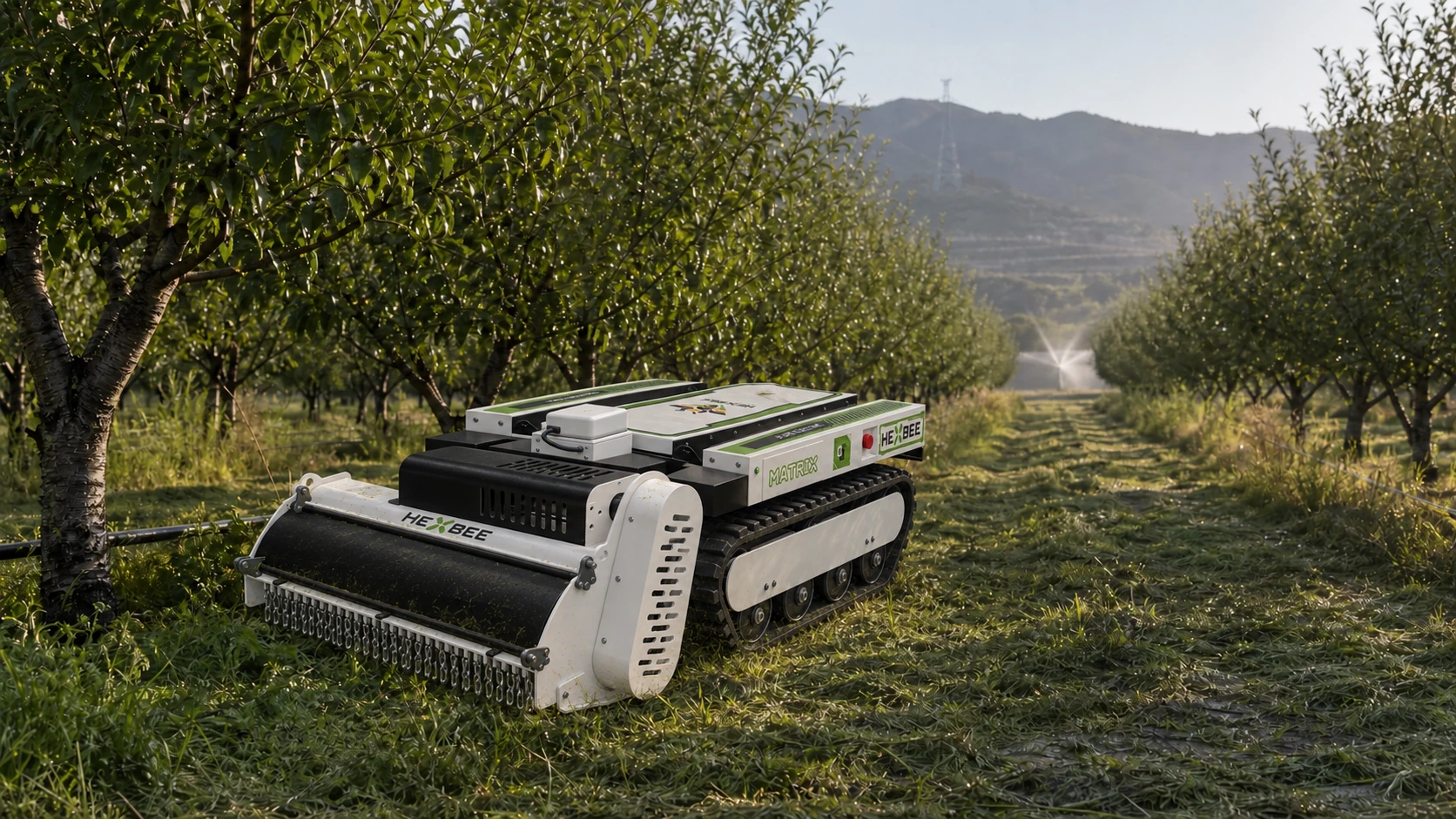
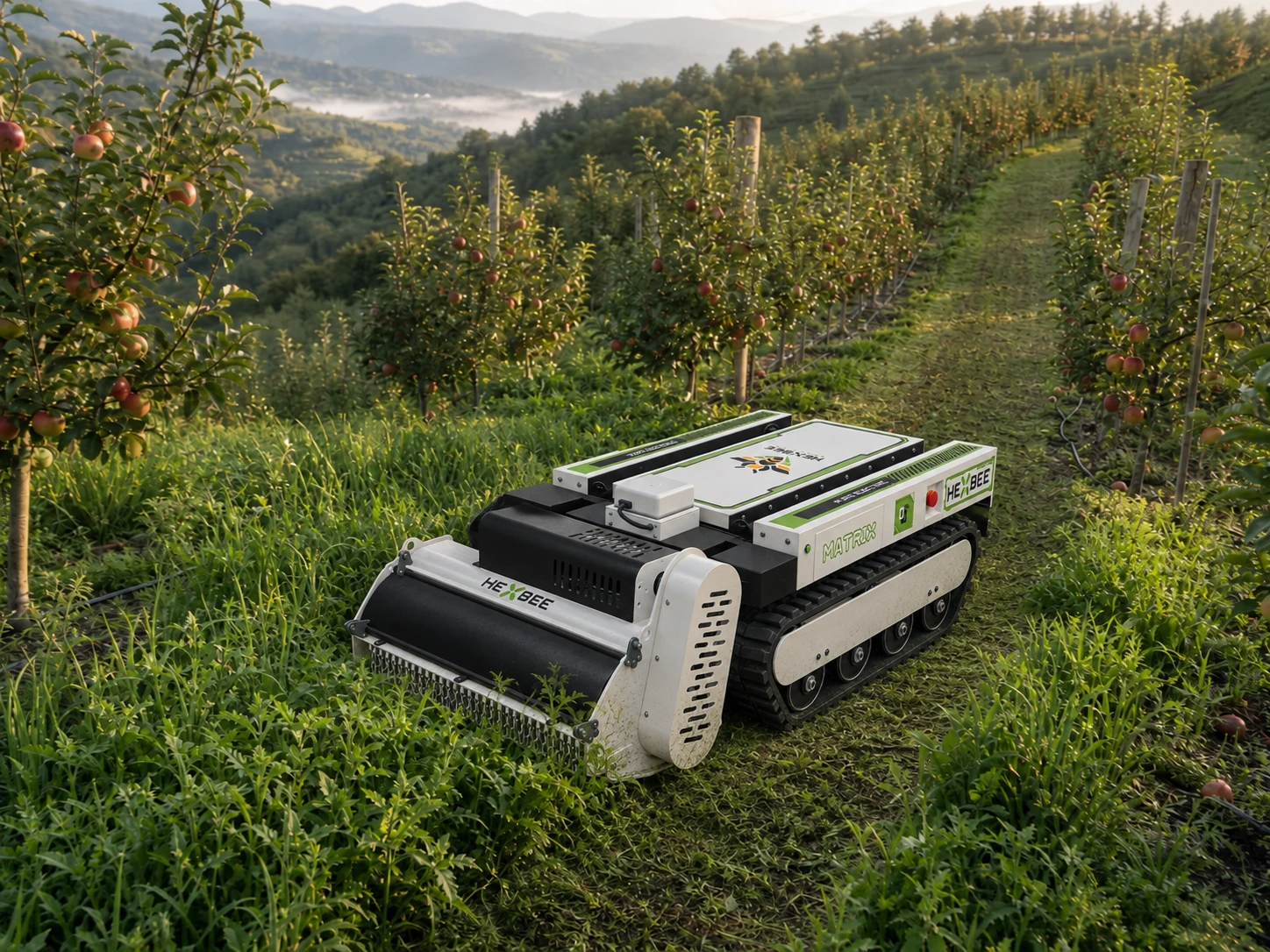
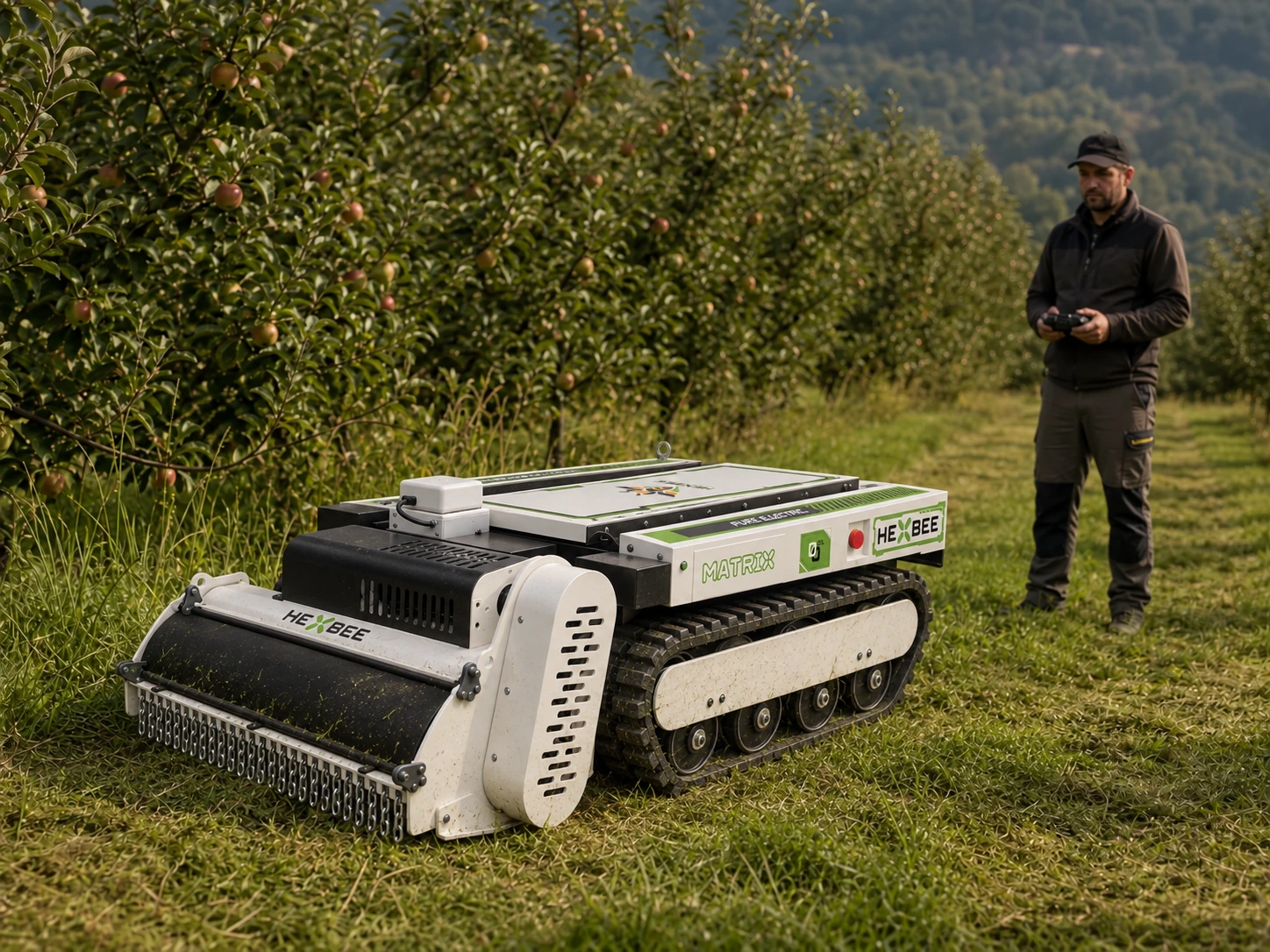
For fields, orchards, tea plantations, nurseries and pastures. Manage weeds in fields, between rows and along access routes to reduce repetitive manual work and improve maintenance efficiency at scale.

Send a sales inquiry, request after-sales support, or share feedback. We will route it to the right team.
对应团队会尽快查看并按你留下的联系方式回复。
Add the WeCom contact for your region to discuss products, pilot projects, and demo arrangements.
Agriculture and the people who work the land come first. We use AI and robotics for heavy, hazardous and repetitive work, turning technical progress into tangible value for growers.
Build on the MATRIX tracked platform with a module suited to your terrain and task.
From agricultural production to infrastructure maintenance, configure efficient, stable robotic mowing for different terrain, vegetation and maintenance needs.
For fields, orchards, tea plantations, nurseries and pastures. Manage weeds in fields, between rows and along access routes to reduce repetitive manual work and improve maintenance efficiency at scale.
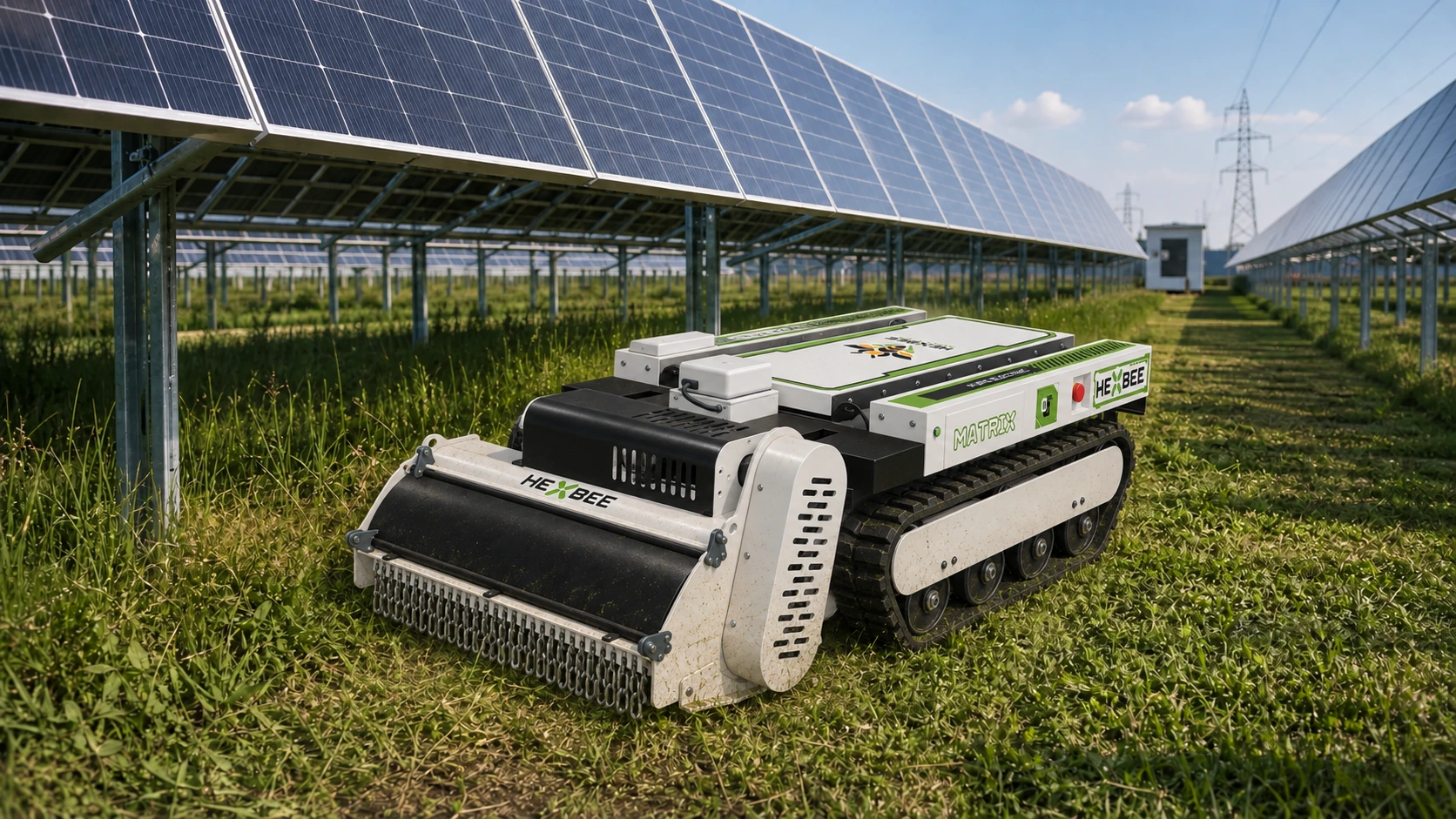
Robotic vegetation management for solar farms, wind farms and substations. Support recurring maintenance across large areas, reducing manual workload and keeping equipment surroundings accessible.
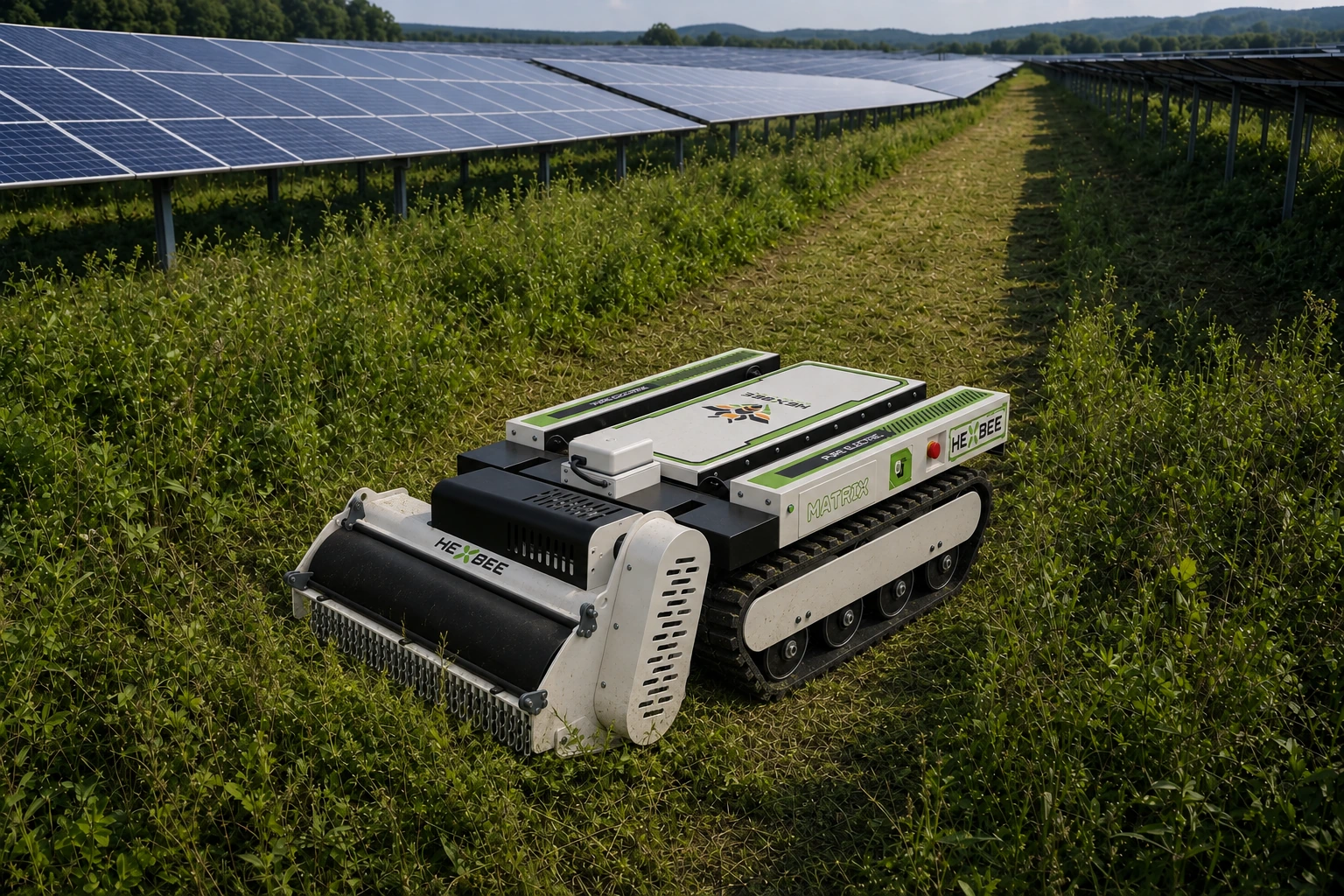
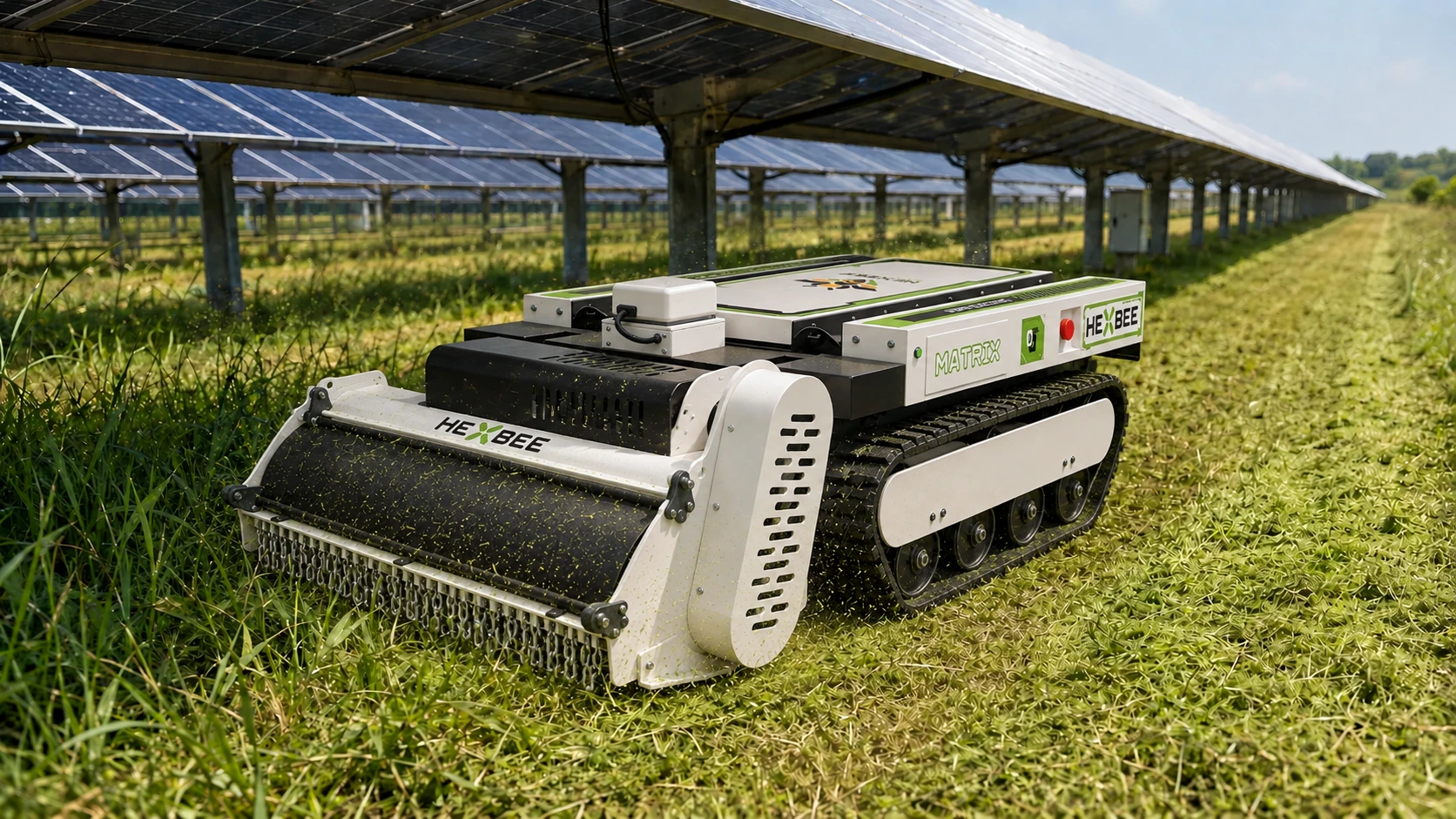
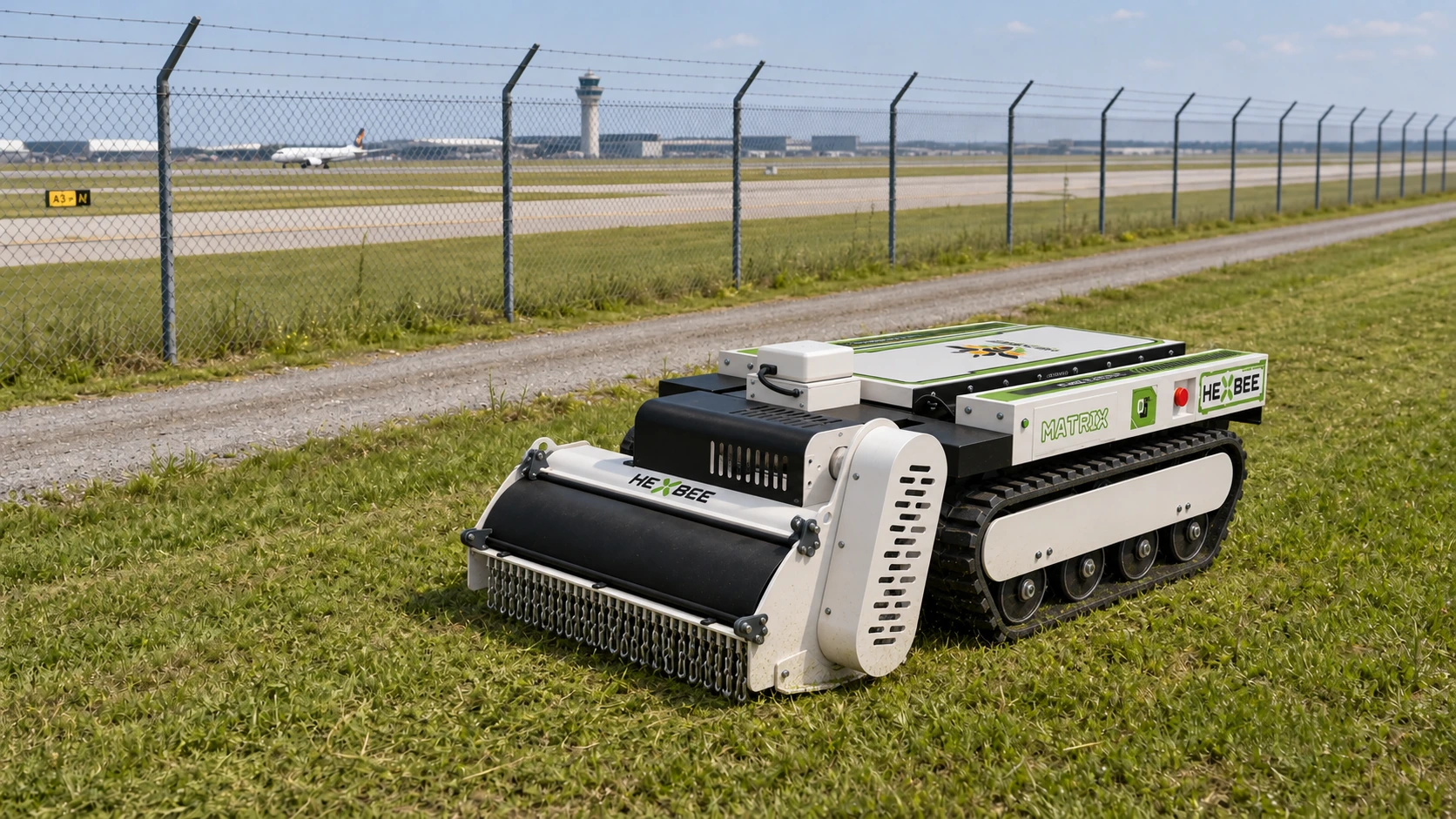
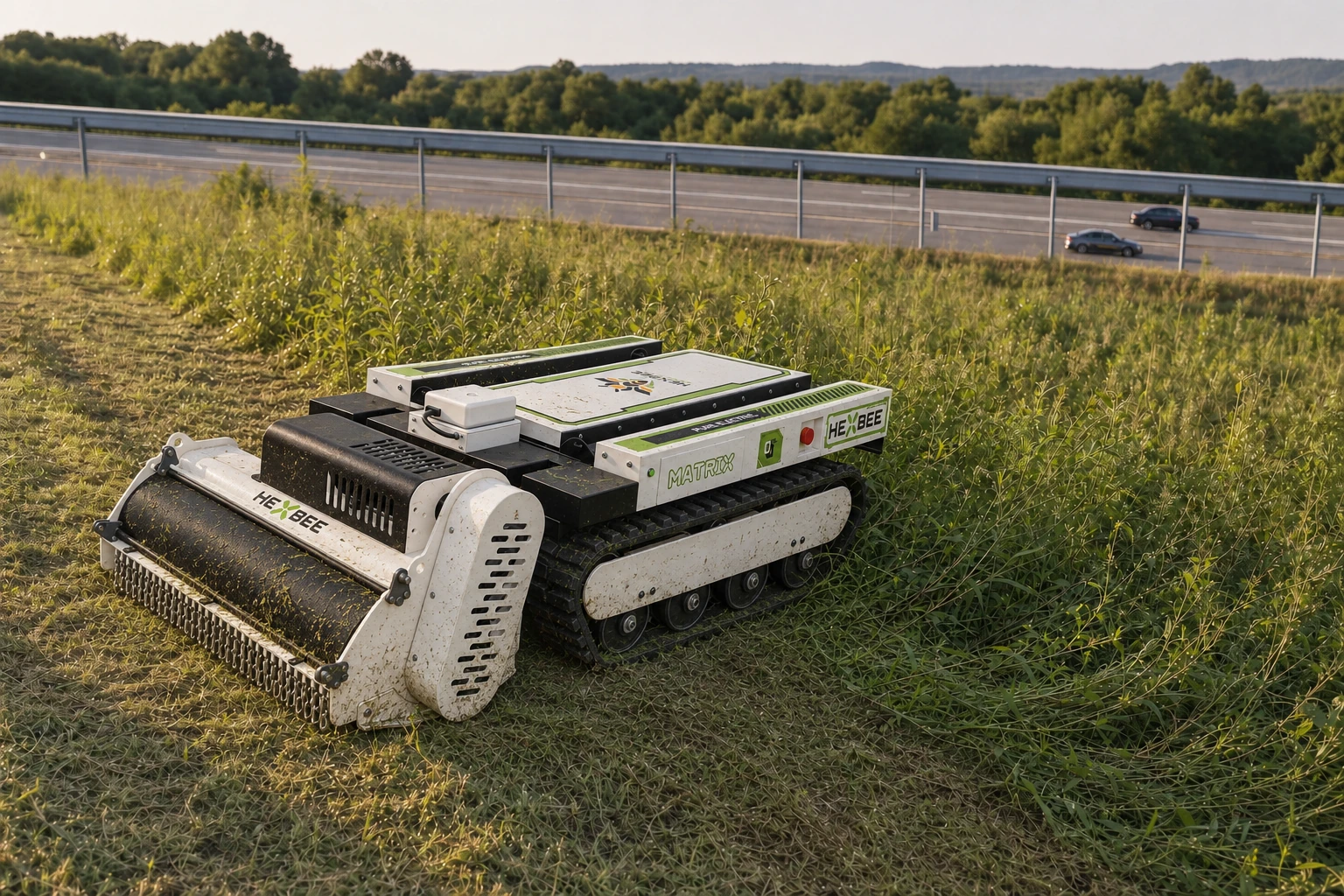
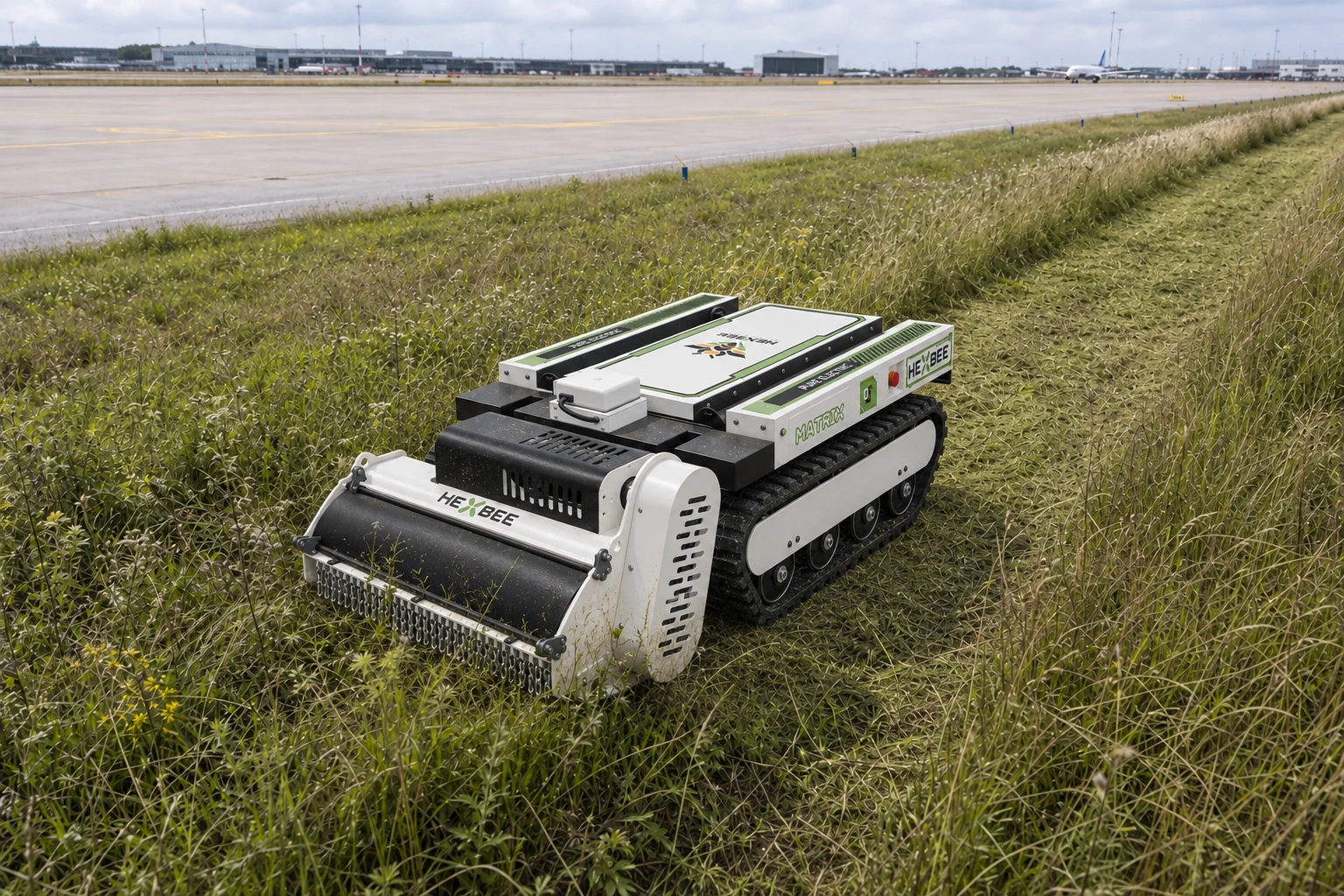
For airport perimeters, roadside slopes, railway corridors and logistics parks. Carry out stable mowing across long routes and large, enclosed areas, reducing the need for personnel to enter complex work zones.
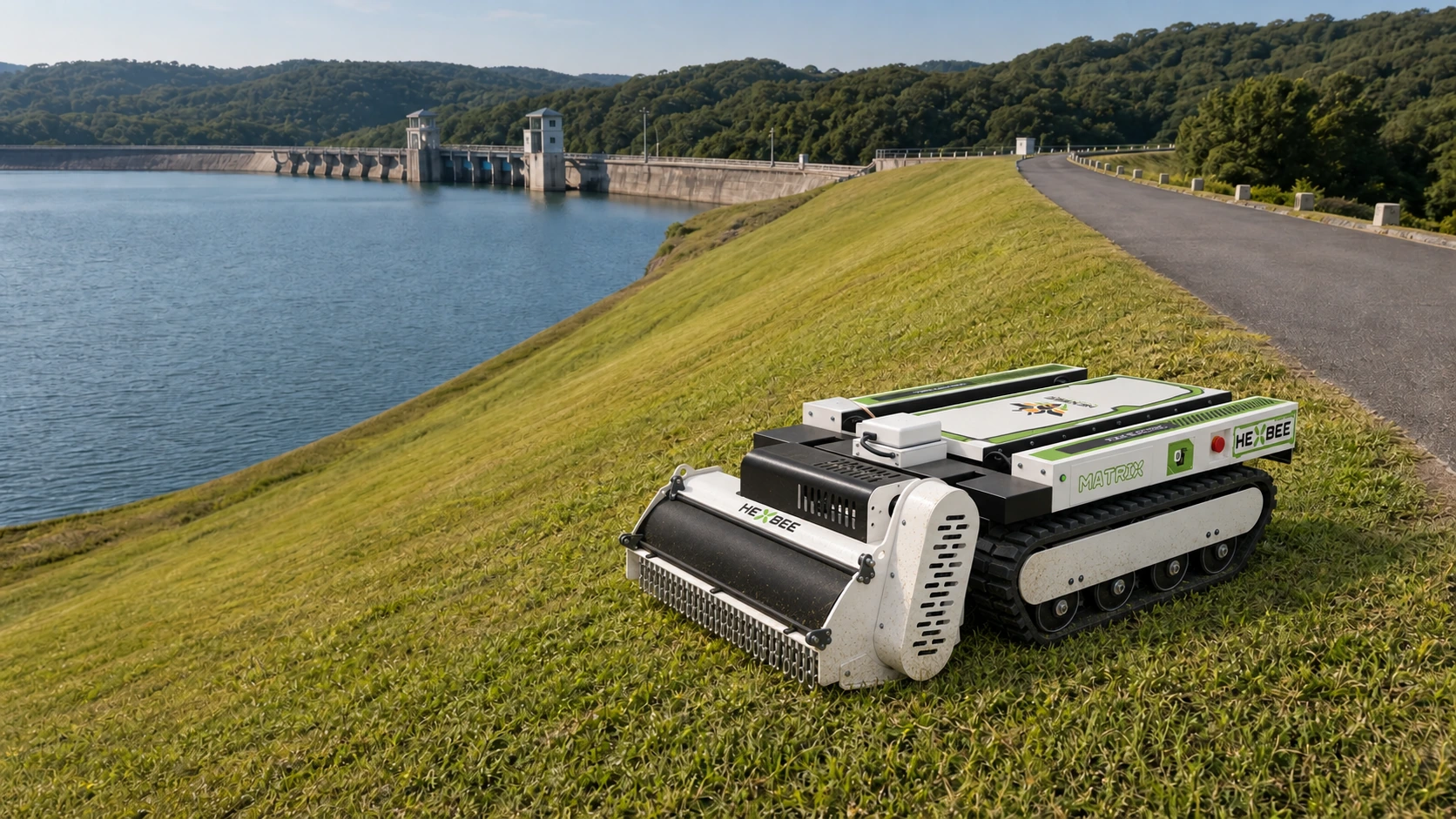
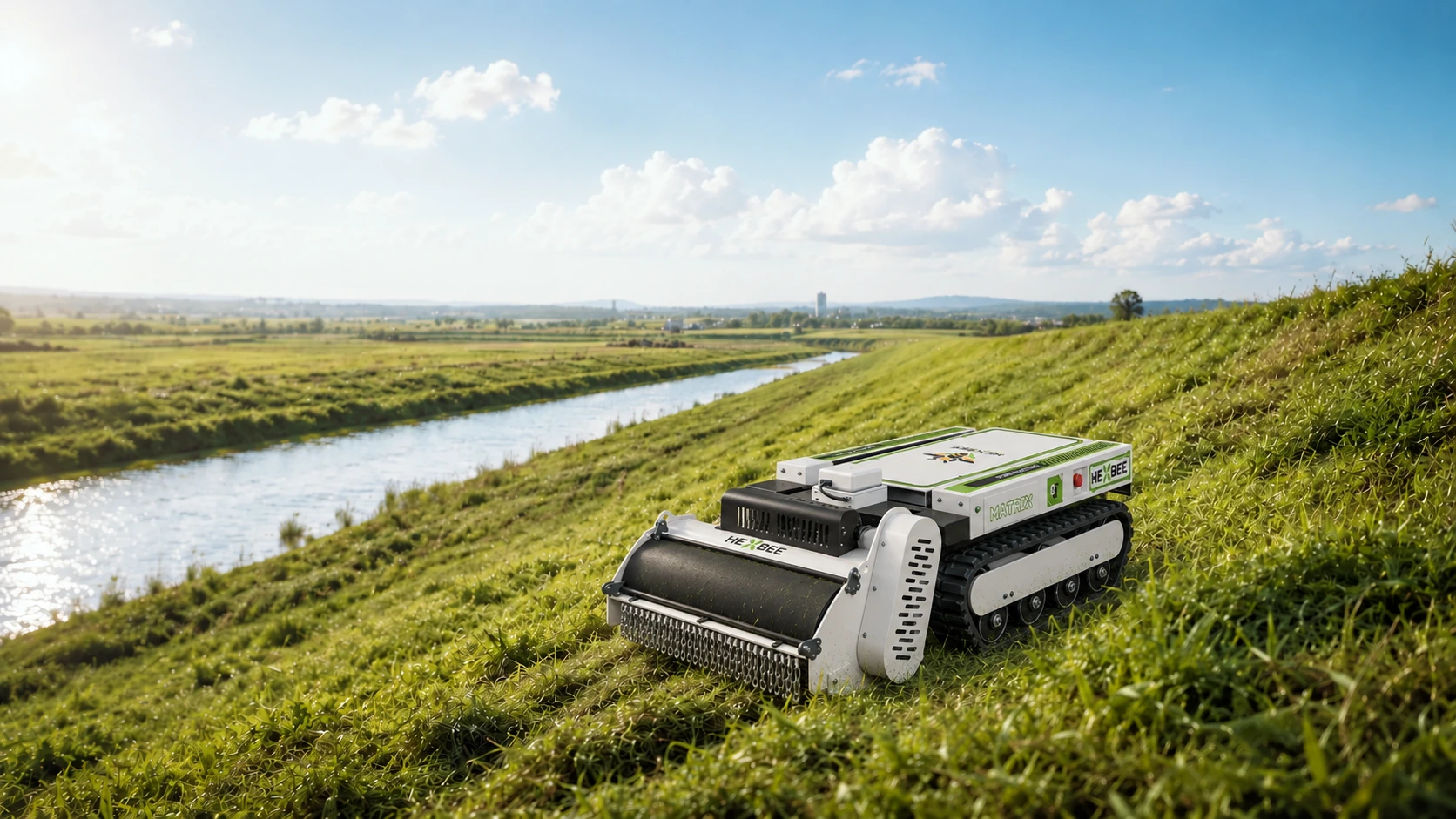
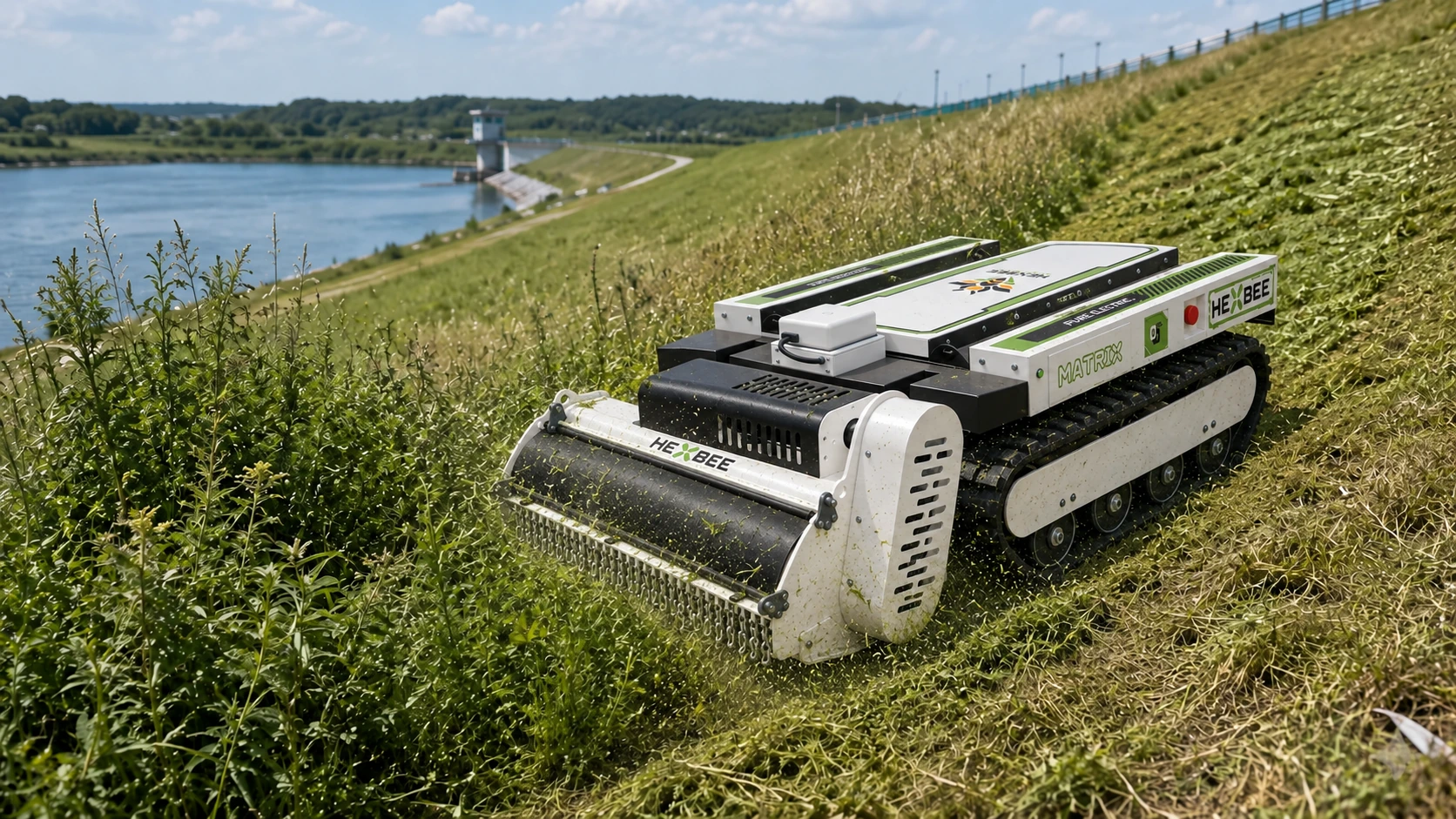
For river embankments, reservoir dam slopes, irrigation channels and riverbanks. Maintain vegetation within the equipment’s suitable terrain and slope limits, keeping inspection routes and water infrastructure accessible.
Configure orchard spraying, row access and canopy coverage to suit tree shape, row spacing and site conditions.
The SPRAY air-assisted module distributes spray radially from its nozzles, with a fan dispersing the mist up to 7 m on each side. Plan around crop type, tree shape and row spacing; an operator remotely controls spraying and travel.
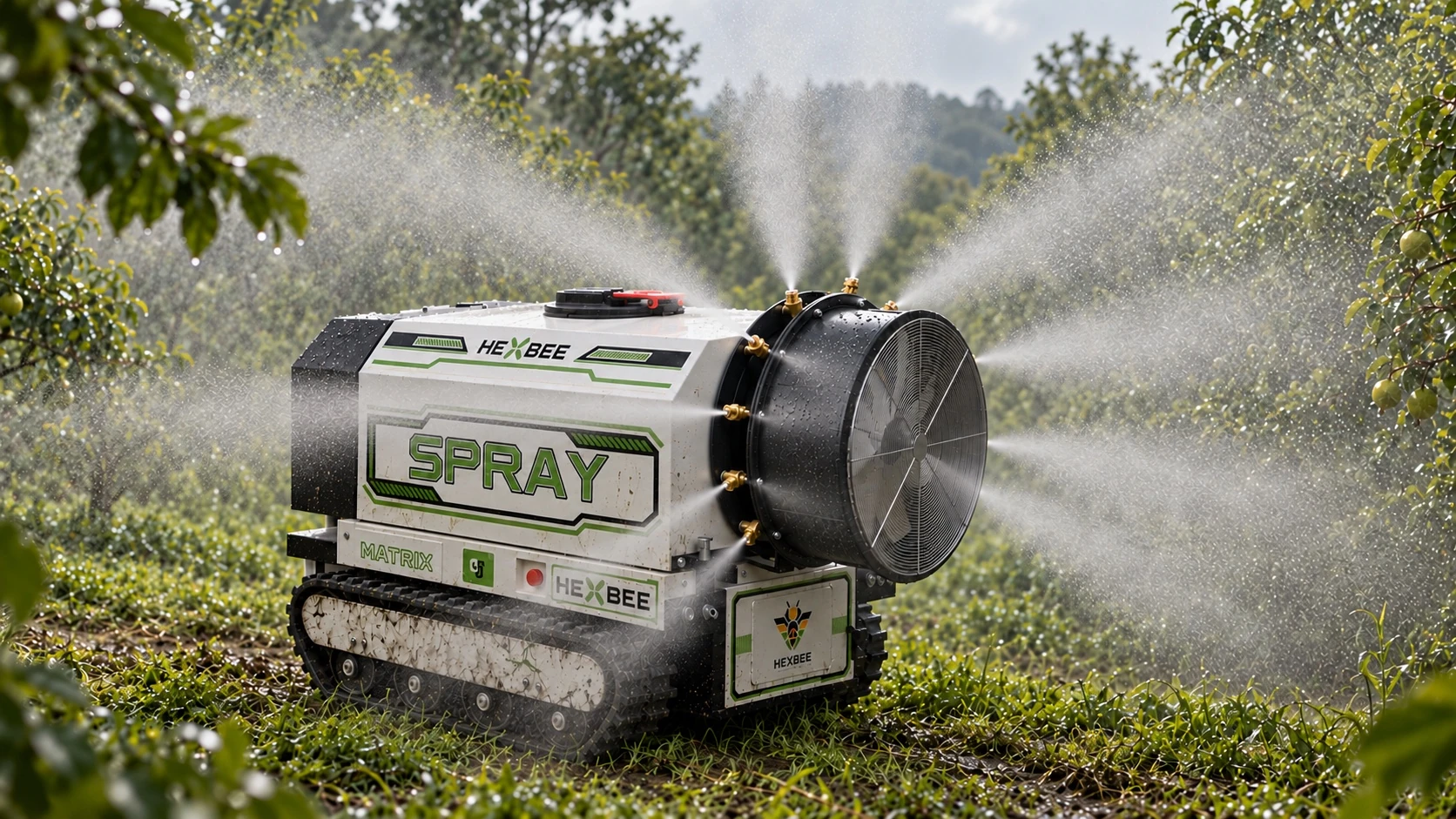
Check row width, canopy boundaries and turning space before work. Plan entry and exit routes around ground conditions and confirm clearance for the platform and spraying module.
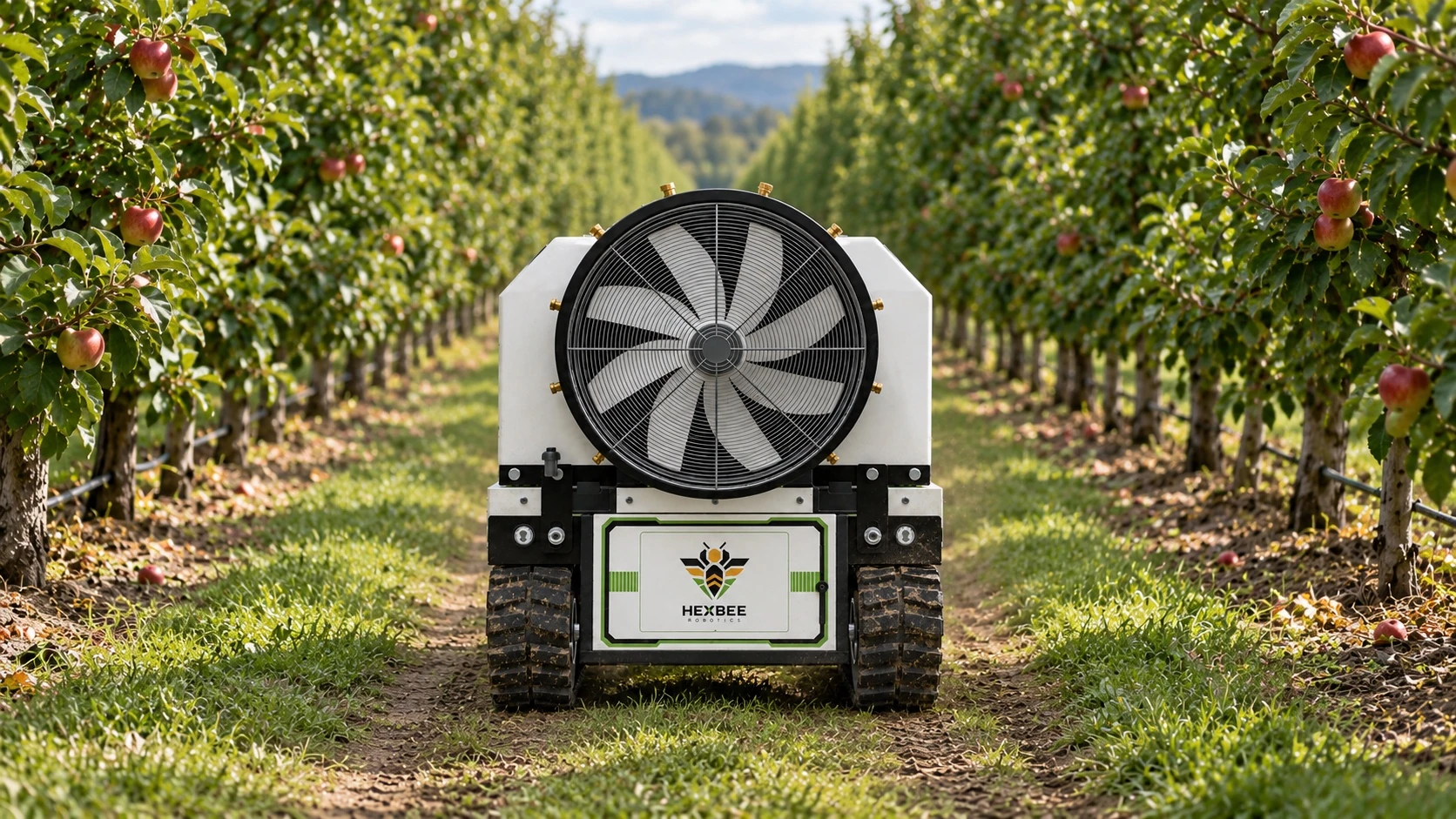
Nozzles atomize radially around the fan, which disperses droplets into surrounding foliage up to 7 m on each side. Plan work positions and routes around canopy height, foliage density and local wind conditions.
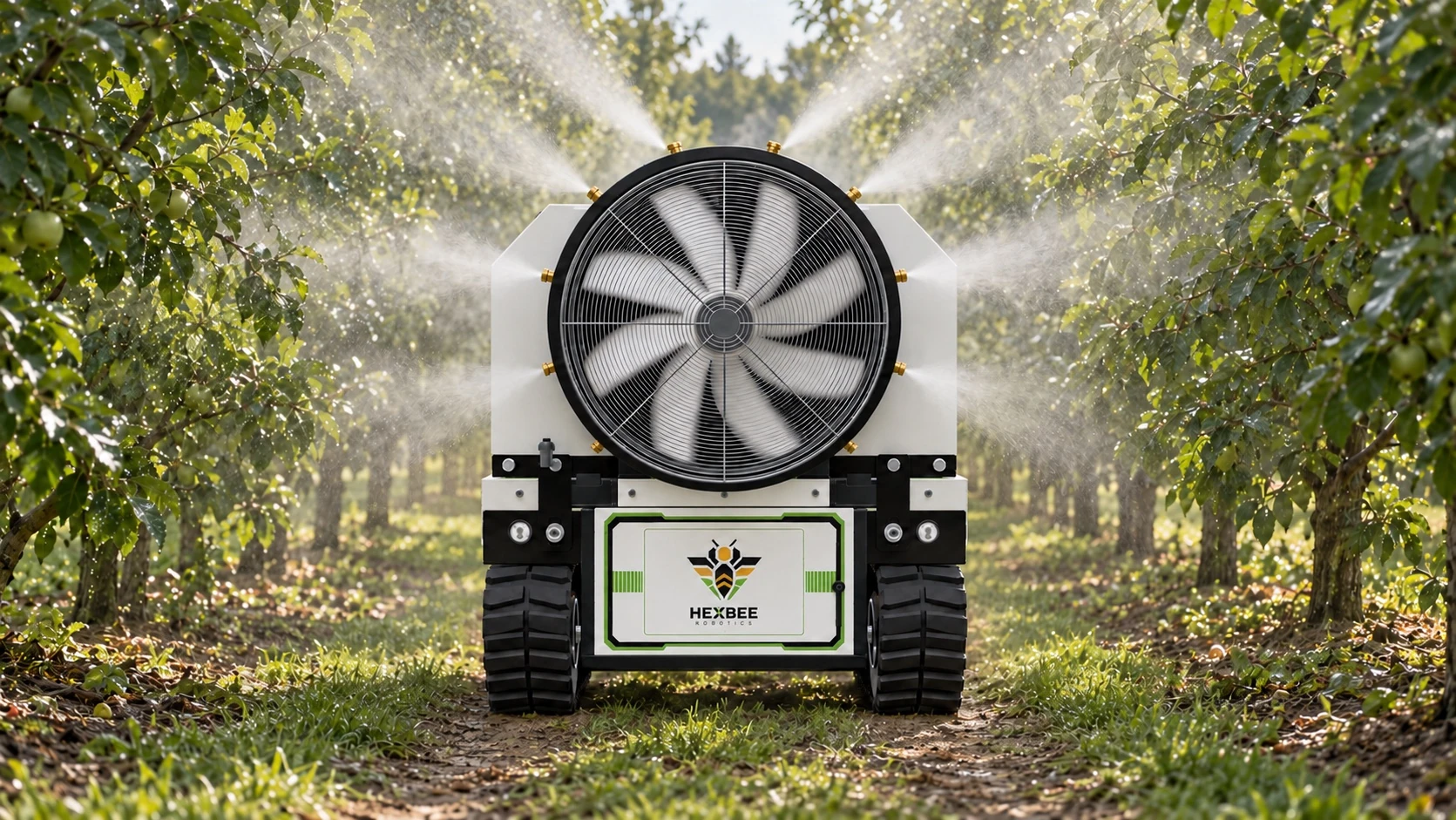
Plan deliveries of supplies, tools and harvested crops around payloads, access routes and loading points.
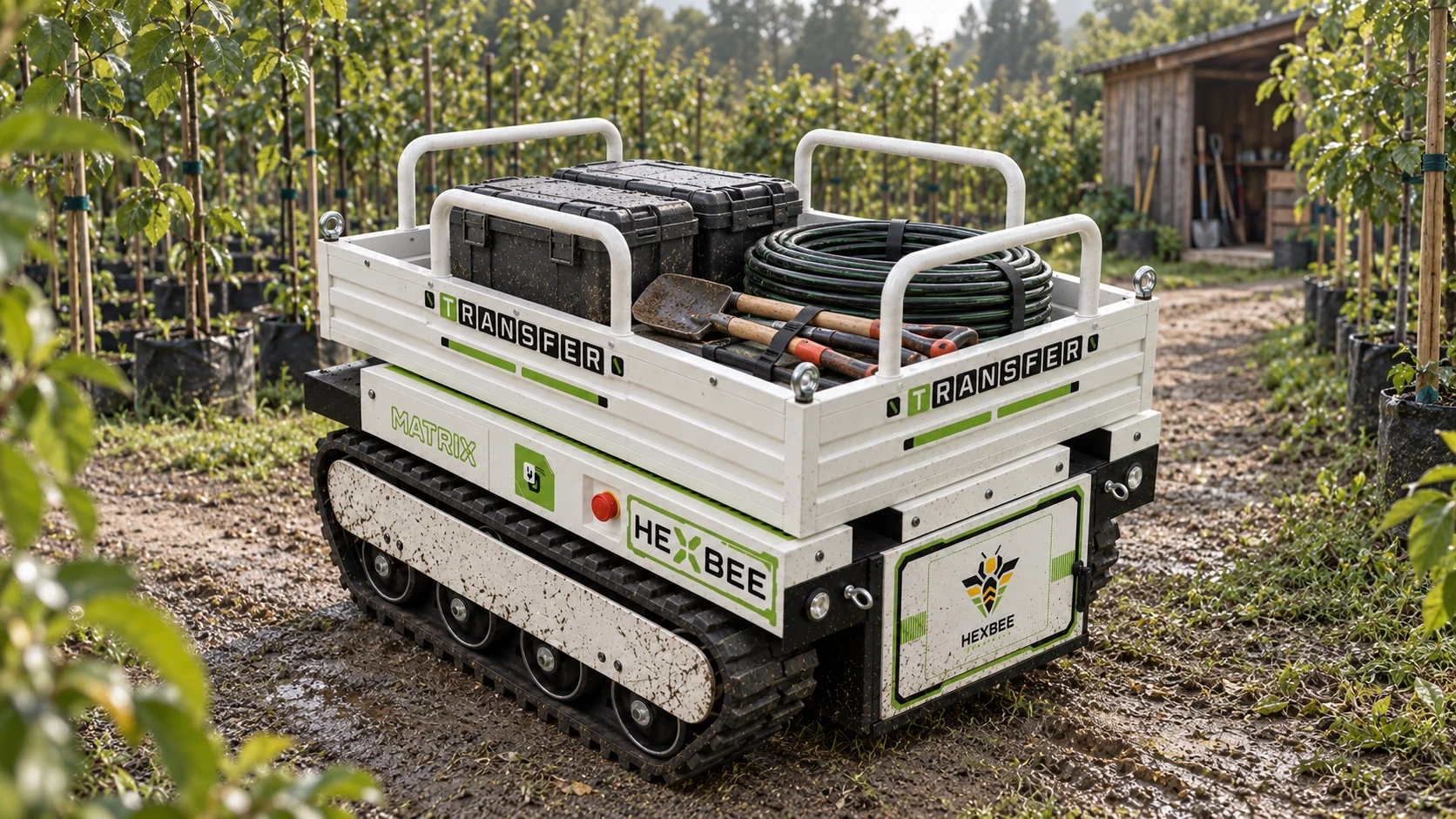
Use the TRANSFER cargo bed to move agricultural supplies from on-site storage to fields and orchards. Plan loading and transport around rated payload, load dimensions and route conditions.
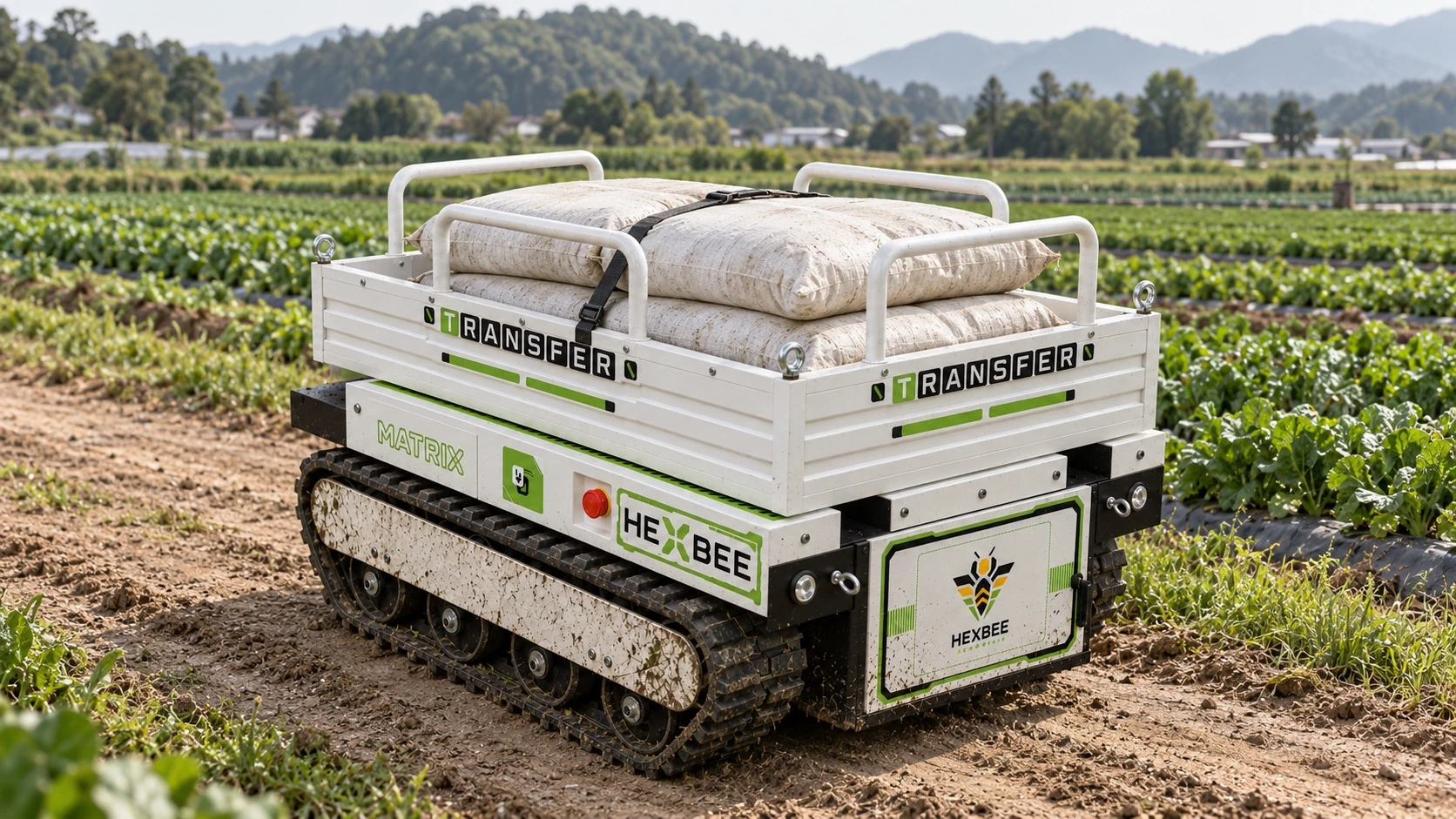
Transport tools and materials around fields and managed sites. Plan routes around load dimensions and loading points to connect daily tasks across work locations.
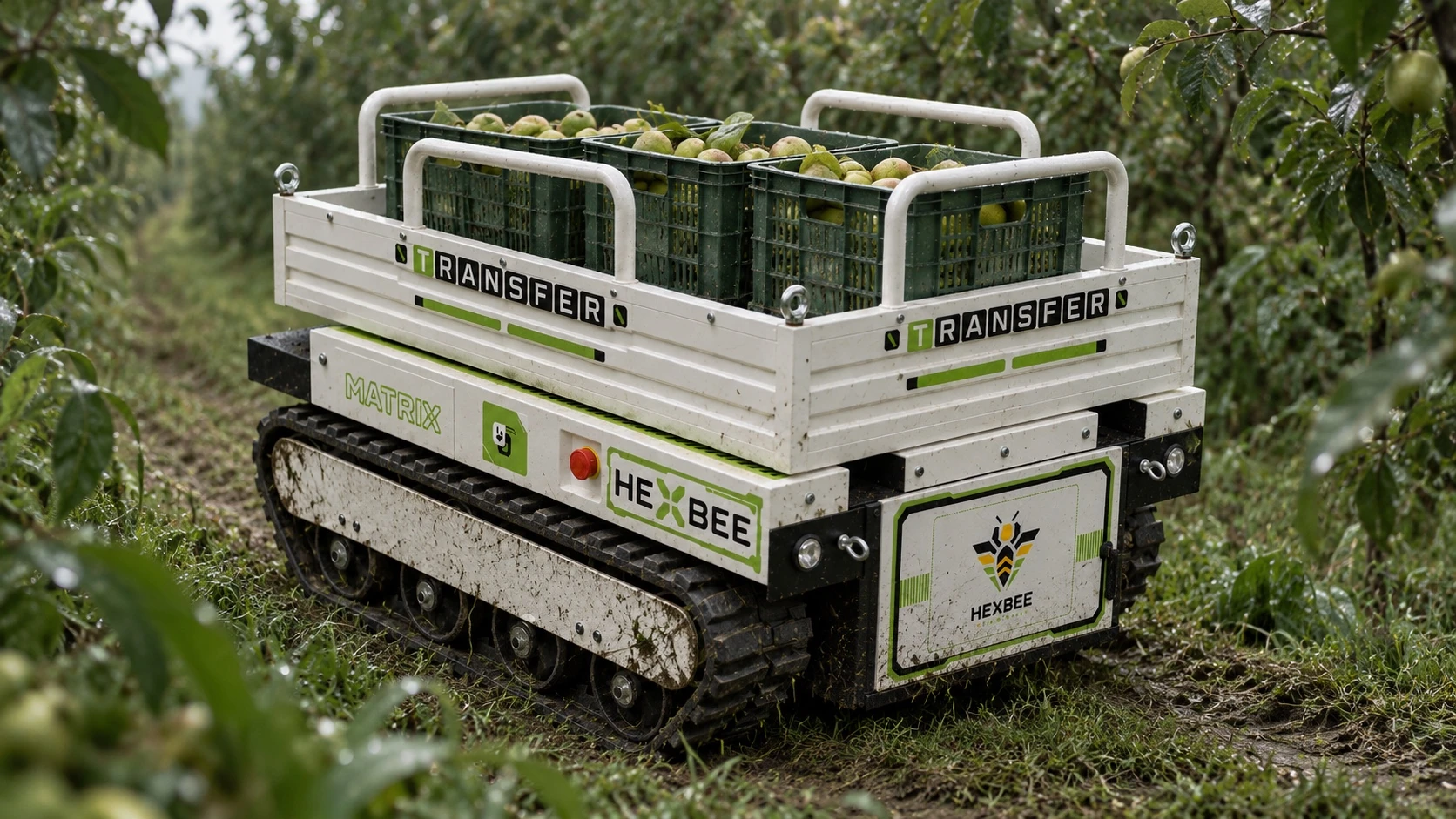
Transport harvested fruit from work areas to on-site collection and loading points. Plan return routes around harvesting locations, loads and road conditions to connect picking with onward transport.
Define the mowing, spraying or transport task first, then record terrain, access, crop and load conditions to guide equipment configuration.
Use a stable, low-speed vehicle and controls that allow operator takeover, prioritizing task completion.
Keep records of routes, status, abnormal events and maintenance to inform future task configuration and review.
Plan mowing, crop protection and transport through quick module changes, aligning equipment configuration with the farming schedule.
Start with the most pressing mowing, spraying or transport need, and confirm the right module and operating limits.
Record routes, work time, takeover points and abnormal events to support future improvements.
Use logs to reduce coordination overhead across sites, machines and operators.
Different tasks call for different modules. Tell us your work area, crop and row spacing, transport loads and access conditions to find a suitable mowing, spraying or transport configuration.